Italian Wedding Menu Explained: What International Couples Need to Know
Planning a destination wedding in Tuscany means embracing not only breathtaking landscapes and historic venues, but also one of the most important elements of the celebration: the food.
For many international couples, the Italian wedding menu can feel both exciting and unfamiliar. The structure, timing, and philosophy behind it are different from what you might expect in other countries — and that’s exactly what makes it so special.
In this guide, we’ll explain everything you need to know about the Italian wedding menu, so you can design an experience that feels authentic, seamless, and unforgettable.
What Makes an Italian Wedding Menu Different
The first thing to understand is that an Italian wedding menu is not just about feeding your guests — it’s about creating a journey.
In Italy, food is deeply connected to culture, hospitality, and emotion. A wedding dinner is designed to unfold slowly, allowing guests to enjoy each moment, each course, and each conversation.
Rather than a quick, structured meal, the Italian approach is more relaxed, immersive, and experiential.
The Structure of a Traditional Italian Wedding Menu
One of the biggest surprises for international couples is the number of courses.
A traditional Italian wedding menu typically includes:
- Aperitivo (welcome drinks with food stations)
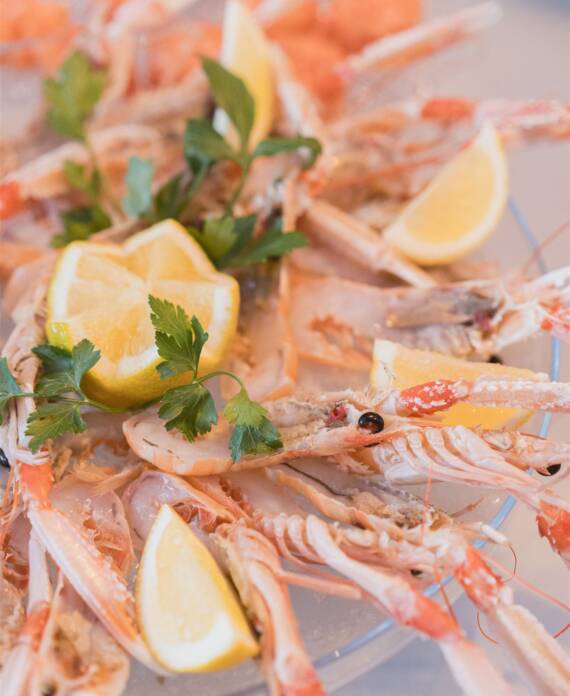
- Antipasto (starter)
- Primo (first course, usually pasta or risotto)
- Secondo (main course, often meat or fish)
- Contorno (side dish)
- Dessert or wedding cake
- Open bar and late-night bites
Each course is carefully curated and served at the right pace, creating a natural flow throughout the evening.
This structure may seem elaborate at first, but it allows guests to fully enjoy the dining experience without feeling rushed.
Aperitivo: The Most Loved Moment
If there is one moment that truly defines an Italian wedding, it’s the aperitivo.
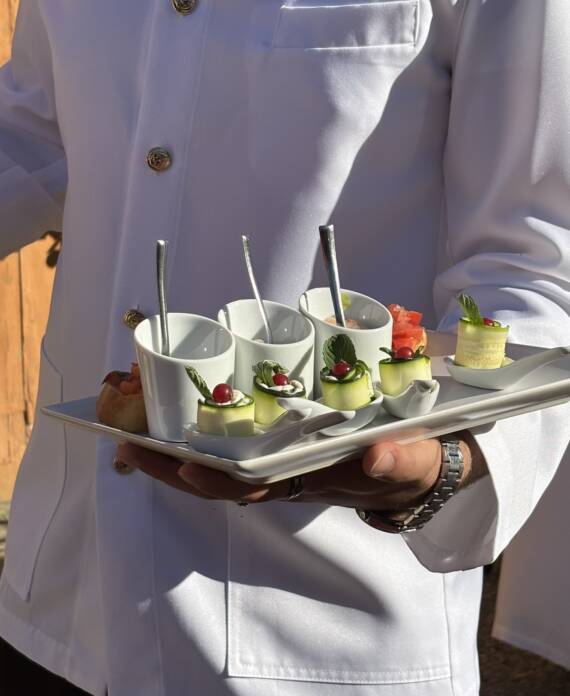
The aperitivo is far more than a simple welcome drink. It is a vibrant, social experience where guests can move freely, explore different food stations, and start the celebration in a relaxed atmosphere.
From live cooking stations to elegant finger foods and signature cocktails, this is where the personality of your wedding really begins to shine.
For many couples planning a destination wedding, the aperitivo becomes one of the most memorable parts of the entire day — and one that guests talk about long after the event.
Why There Are Multiple Courses (And Why It Works)
At first glance, a multi-course dinner might seem too long or too formal. In reality, it creates rhythm and balance.
Each course of the Italian wedding menu serves a purpose:
- It gives guests time to connect and enjoy the setting
- It naturally spaces out speeches and key moments
- It builds anticipation for what comes next
Rather than a single, quick meal, the experience evolves throughout the evening — transitioning effortlessly from dinner to celebration.
This is one of the reasons why Italian weddings feel so immersive and unique.
How to Adapt an Italian Wedding Menu for International Guests
While tradition plays an important role, the best weddings are always personalized.
A well-designed Italian wedding menu can easily be adapted to suit international guests without losing its authenticity.
For example:
- Balancing traditional dishes with more familiar flavors
- Offering vegetarian, vegan, or dietary alternatives
- Adjusting timing to match the flow of your event
- Creating interactive food moments during the aperitivo
The goal is to create a menu that reflects both Italian culture and your personal story as a couple.
Final Thoughts
Choosing the right Italian wedding menu is about more than selecting dishes — it’s about designing an experience your guests will remember forever.
From the energy of the aperitivo to the elegance of a multi-course dinner, every detail contributes to the atmosphere of your wedding in Tuscany.
If you’re planning your celebration and looking for inspiration, we invite you to discover more inspiration and explore our portfolio on Instagram.